
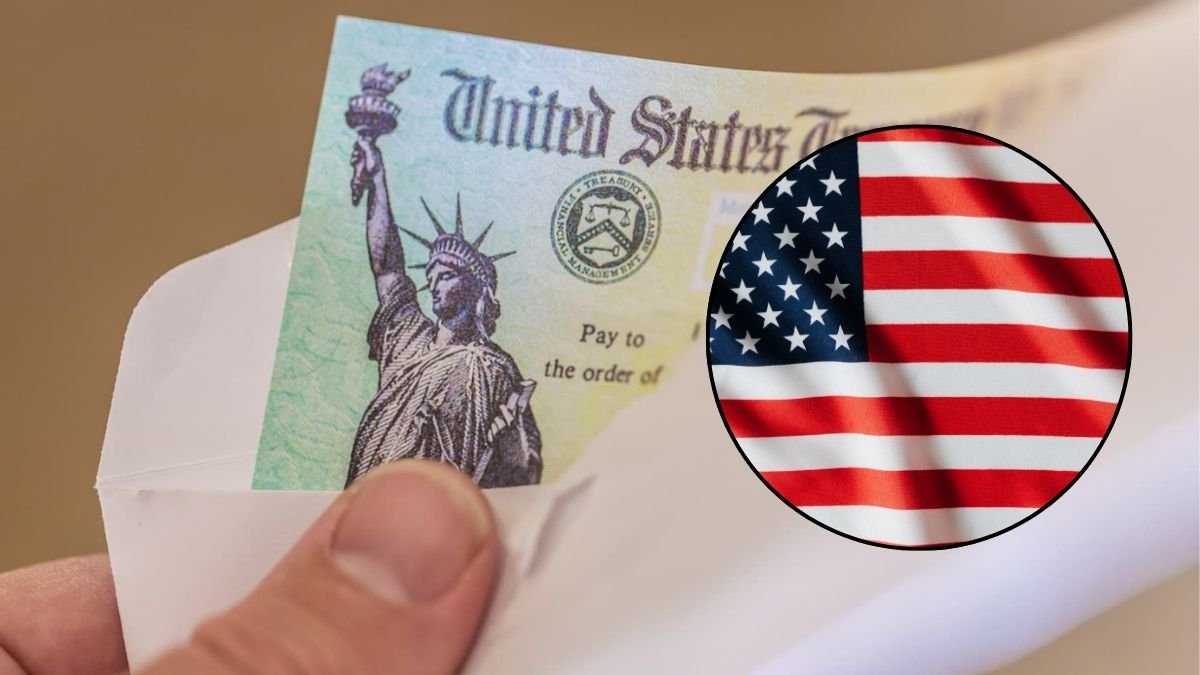
The year 2026 is already shaping up to be significant for millions of Americans as news of the approved $1,100 checks spreads across the country. This development has generated a mix of relief, curiosity, and anticipation, especially among individuals who have been waiting for financial support amid rising living costs. As inflation continues to influence household budgets and essential expenses, the announcement of direct payments is expected to bring a meaningful boost to families struggling to stay afloat. Understanding who qualifies, how the payments will be distributed, and what timelines are expected can help people prepare well in advance.
Why the $1,100 Payments Are Being Issued
The $1,100 checks have been introduced as part of a broader financial stability initiative aimed at supporting individuals who continue to face economic challenges leading into 2026. Many households are still recovering from past disruptions, including job instability, increased healthcare costs, and shifting market conditions. Government officials have emphasized that this payment is designed to provide short-term relief and stimulate local economies by injecting direct spending into essential sectors. The intention behind this program is not only to support individuals directly but also to stabilize broader economic activity during a period marked by uncertainty. This targeted financial assistance is meant to address gaps that traditional benefits may not fully cover.
Who Will Receive the $1,100 Checks
Eligibility for the 2026 payment has been structured to ensure assistance reaches those who need it the most. The payment is generally aimed at low-to-moderate income individuals, seniors, and specific groups facing continuous financial hardship. Households falling within a certain income threshold are expected to qualify, along with people who have already been receiving some form of government aid or who meet specific financial eligibility criteria. Seniors living on fixed incomes are considered high-priority due to the increasing pressure caused by rising healthcare and utility costs. Additionally, individuals with disabilities and single-parent households may also be included under the qualifying categories, as they are more likely to experience economic strain throughout the year. The goal is to make sure that the distribution of payments helps stabilize vulnerable households and supports daily essential needs.
When the Payments Will Be Delivered in 2026
The timeline for the release of the $1,100 checks will follow a structured distribution schedule to ensure smooth processing. Payments are expected to begin in early 2026, with the first round likely issued during the initial months of the year. Authorities have indicated that direct deposit recipients may be the first to receive their payments because digital transfers tend to be faster and more efficient. Paper checks and prepaid debit cards may follow shortly after, depending on the recipient’s chosen method and administrative processing times. Some groups, such as seniors already enrolled in federal benefit programs, may receive their payments on the same date as their regular monthly deposits. The government aims to avoid delays and has emphasized that most eligible individuals should receive their payment within the first quarter of 2026.
How to Check Your Eligibility and Payment Status
Individuals eager to confirm their eligibility for the $1,100 payment will be able to check their status through official government portals once distribution begins. These platforms will allow users to verify their income qualifications, payment method, and the expected deposit date. Ensuring that personal and banking information is correct will play an important role in avoiding delays. The government has advised individuals to update their mailing addresses, bank account numbers, and contact details ahead of time, particularly for those who have recently moved or changed their financial institutions. Staying informed through official announcements will help recipients track updates and avoid misinformation.
Why the 2026 Payment Matters for Millions
For many Americans, the $1,100 check is more than just a one-time financial boost. It represents a lifeline during a period of uncertainty and financial pressure. Rising housing costs, medical bills, and grocery prices continue to strain household budgets, making any form of financial relief crucial. The payment is also expected to provide emotional reassurance, reminding individuals that support is available as they navigate economic challenges. By offering timely assistance, the government hopes to strengthen individual stability while contributing to overall national economic resilience.
Conclusion
The approval of the $1,100 checks for 2026 is an important milestone for millions of individuals seeking financial relief. With a clear purpose, defined eligibility rules, and a structured timeline, the payment aims to support households facing ongoing economic pressures. As distribution begins and recipients prepare to receive their funds, this financial boost is expected to make a meaningful difference in the year ahead. Staying informed about eligibility and payment schedules will help ensure that everyone entitled to the benefit receives it without unnecessary delays.
FAQs
1. Who will receive the $1,100 checks in 2026?
Eligible low-income individuals, seniors, and approved beneficiaries under federal guidelines.
2. When will the $1,100 payments be released?
Payments are expected to roll out in early 2026 based on the official federal schedule.
3. Do I need to apply for the $1,100 check?
Most eligible people will receive it automatically; some may need to verify income records.
