
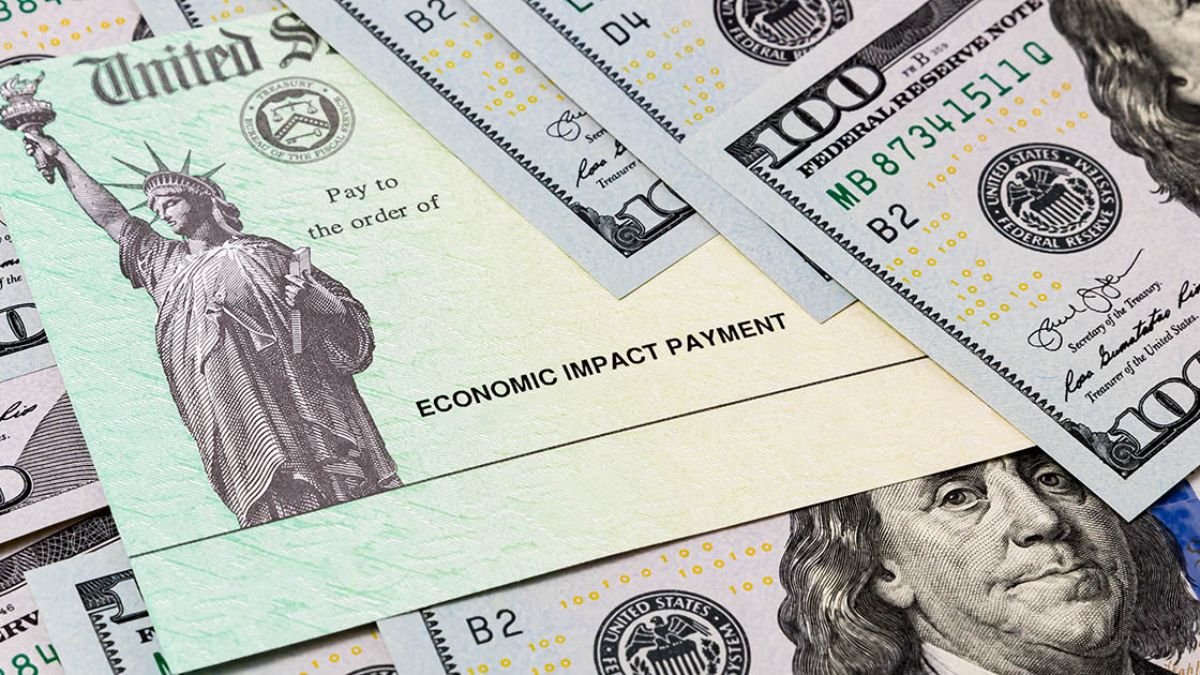
There’s a lot of buzz surrounding a potential $1,000 stimulus payment in March 2026. Social media posts, YouTube videos, and various websites claim the government may issue a new relief package. Amid pressures from inflation, rising living costs, rent, healthcare, and everyday expenses, news of any such financial assistance naturally attracts attention. However, before trusting any payment, it’s crucial to understand which program the payment officially falls under, which agency announced it, and its eligibility criteria.
In the United States, stimulus payments are typically issued by the federal government, and the Internal Revenue Service (IRS) is responsible for managing them. Previously, during economic crises or special circumstances, the government has sent relief funds directly to citizens’ bank accounts. Therefore, if a $1,000 payment is proposed in March 2026, it’s crucial to first confirm it with official sources.
What is a $1,000 stimulus payment?
The $1,000 stimulus payment is typically intended to provide economic relief to low- and middle-income individuals. This amount typically serves as a cushion for families facing rising inflation, job uncertainty, or other economic challenges. This type of payment is part of a government’s economic policy aimed at boosting consumer spending and stabilizing economic activity.

If this payment is implemented in March 2026, it is likely to be either a one-time direct payment or issued under a special tax credit, relief package, or state-level program. Often, such funds are announced at the federal level, while in some cases, individual state governments also provide assistance at their own level.
Who is eligible? (Eligibility Criteria)
Eligibility for a potential $1,000 stimulus payment may be based on certain general criteria. Although the final rules will only be clear after an official announcement, based on past experience, the following criteria may apply:
[also_read id=”2349″]
Income Limit: Stimulus payments are typically provided to individuals or families whose annual income is below a certain threshold. For example, different income limits may be set for single taxpayers, married couples, and families with dependent children. The higher the income, the lower the payment amount or the greater the amount.
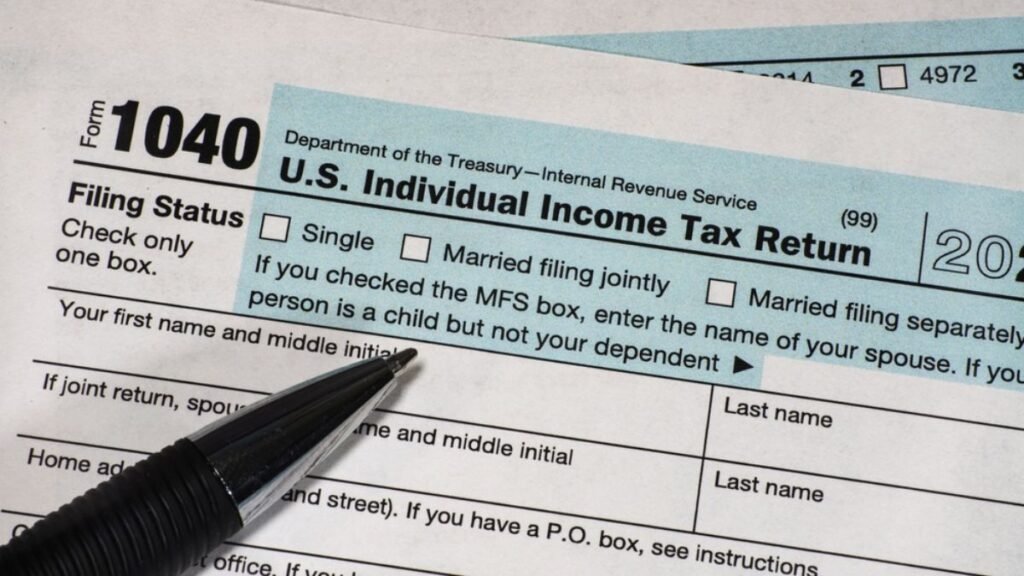
Tax Filing Status: People who have filed their federal tax returns in recent years may have an easier time receiving payments. The IRS typically issues payments based on tax records. If an individual has not filed a tax return recently, they may need to complete additional procedures to receive the payment.
Citizenship or Lawful Residency Status: United States citizens and lawful permanent residents may receive priority. A Social Security Number (SSN) may also be required.
Dependents: In some cases, additional funds may be provided for dependent children or disabled dependents. Therefore, families will need to enter correct information on their tax documents.
How to Receive Payments?
If the $1,000 stimulus payment is officially approved in March 2026, the following steps may be crucial to receiving it:
- Keep Tax Returns Updated: First, ensure you have filed your most recent federal tax return correctly and on time. Your income, bank account, and contact information should be updated.
- Direct Deposit Information: Direct deposit is the fastest and most secure method. If your bank account is registered with the IRS, funds can be deposited directly into your account. Otherwise, a paper check or prepaid debit card may also be sent.
- Monitor Official Websites: Always check the official websites of the IRS or other government agencies for information. Be wary of any unknown links or calls, as fraudulent stimulus payments have been reported.
- Beware of scams: The IRS never asks for personal bank information through phone calls, emails, or text messages. If someone claims to get you a payment for a fee, it’s definitely a scam.
[also_read id=”2323″]
Possible Timeline
If the payment is scheduled for March 2026, the government will likely make an official announcement, then verify eligibility, and then issue the payment within a few weeks. Those receiving direct deposit typically receive the payment first, while those receiving paper checks may have to wait a little longer.
Could this be a federal or state payment?
It’s important to understand that not all stimulus payments are provided by the federal government. Some states may run separate relief programs based on their economic situation and budget. That’s why it’s important to know whether the $1,000 payment for March 2026 is federal or state-specific. If it’s a state-level program, the eligibility and application process may differ.
Conclusion
News of a $1,000 stimulus payment in March 2026 could certainly bring hope to people, especially families facing financial pressure. However, it’s crucial to verify with official sources before relying on any rumors or unconfirmed information. If this payment is approved, carefully understand the eligibility requirements, keep your tax documents updated, and only seek information through official channels. With proper preparation and vigilance, you can take advantage of this potential financial assistance safely and in a timely manner.