
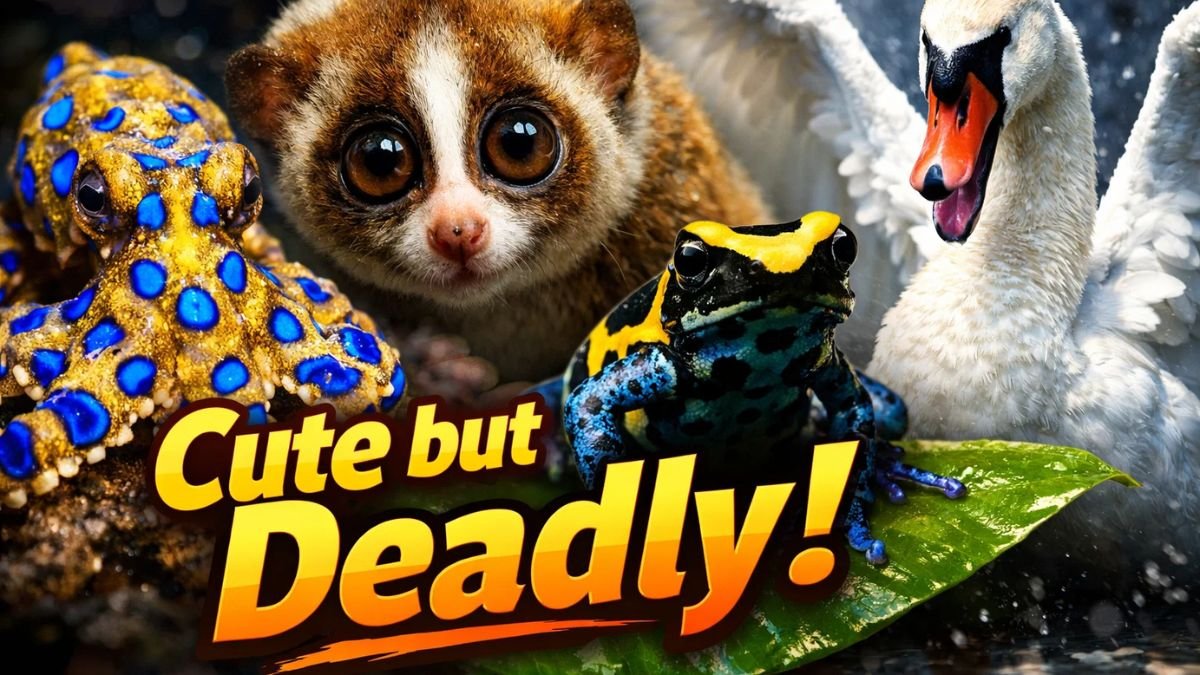
Some creatures carry danger in their eyes, their fangs, or the powerful presence of their bodies. But there is another category of animals—those that look soft, gentle, and harmless at first glance, yet possess surprising levels of strength, aggression, or venom hidden behind their adorable appearance. These are the animals that charm you with their sweet faces but can shock you with their unexpected capacity to cause harm.
In this article, we dive deep into the world of seemingly innocent animals that are far more dangerous than most people realize. Their stories remind us that nature is always full of surprises, and that beauty or gentleness on the surface can sometimes conceal serious risks.
Slow Loris: The Adorable Venom-Carrying Primate
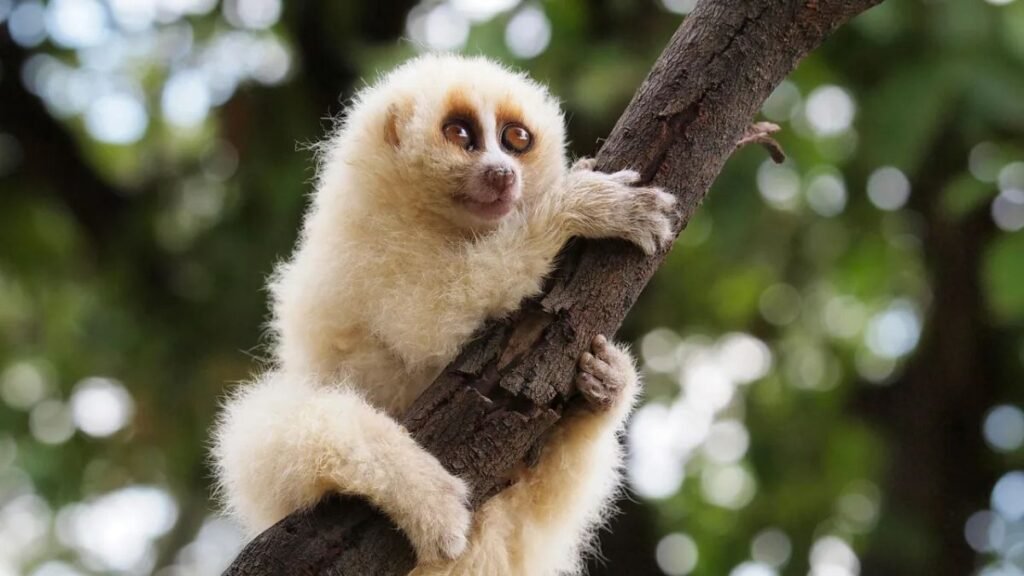
The slow loris may look like a living plush toy with its large, shining eyes and soft fur, but these gentle-looking primates carry something terrifying: venom. Hidden inside their elbows are venomous glands that they lick to mix with their saliva. A bite from a slow loris can cause severe pain, allergic reactions, and even life-threatening complications. Because they look so cute, many people believe they make great pets, but handling them can be extremely dangerous. Their appearance may capture hearts, but their bite is a reminder of nature’s unpredictable designs.
Blue-Ringed Octopus: Small, Colorful, and Surprisingly Lethal
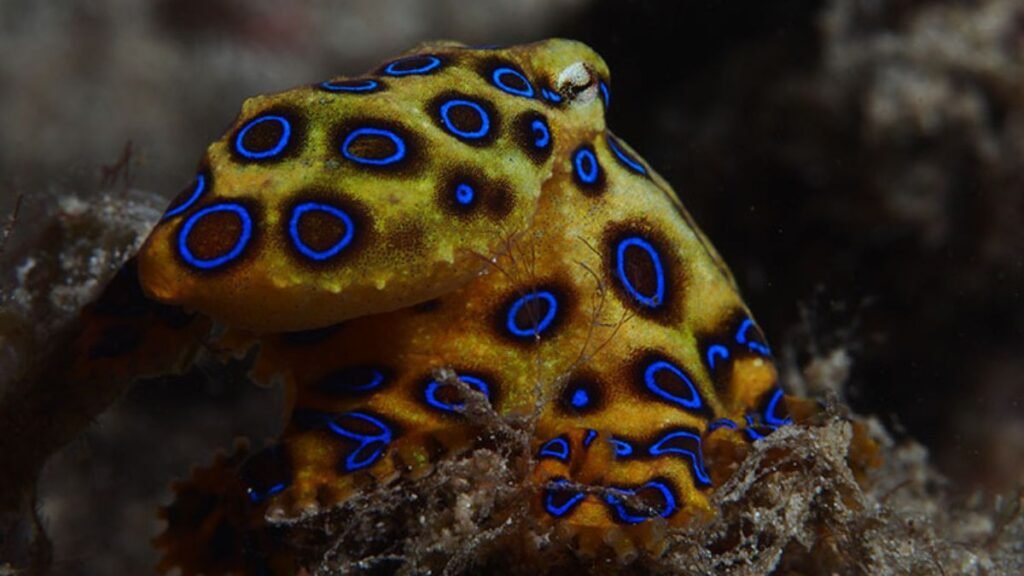
This tiny creature, beautifully decorated with electric-blue rings, seems more like a piece of underwater art than a threat. However, the blue-ringed octopus is one of the most venomous marine animals on the planet. Its bite is painless at first, which makes it even more deceptive, yet it injects a neurotoxin powerful enough to paralyze a human within minutes. There is currently no known antidote. Its innocent, almost mesmerizing appearance often leads beachgoers and divers to approach it closely, unaware of how dangerous this small octopus truly is.
Pufferfish: Cute but Deadly from the Inside Out
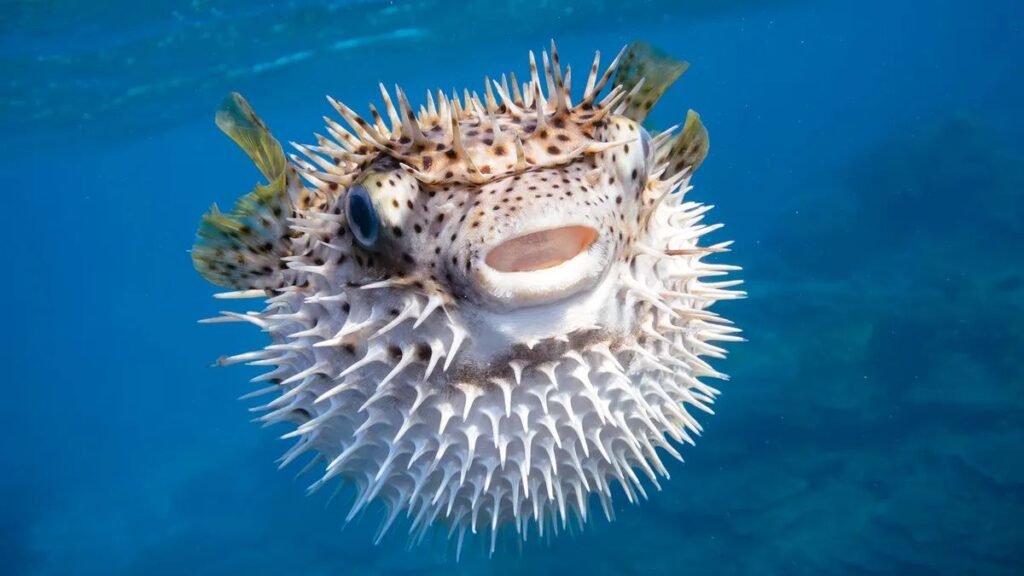
Many people recognize the pufferfish for its balloon-like body and comical expression. On the surface, it looks like one of the sea’s most harmless creatures. But inside its organs lies a toxin called tetrodotoxin, which is among the most poisonous substances found in nature. A single pufferfish carries enough toxin to kill several people. In some countries, it is still eaten as a delicacy prepared only by licensed chefs, but even tiny mistakes can be fatal. The pufferfish is the perfect example of how nature loves to hide danger behind an innocent face.
Swans: Graceful Beauties with an Aggressive Side
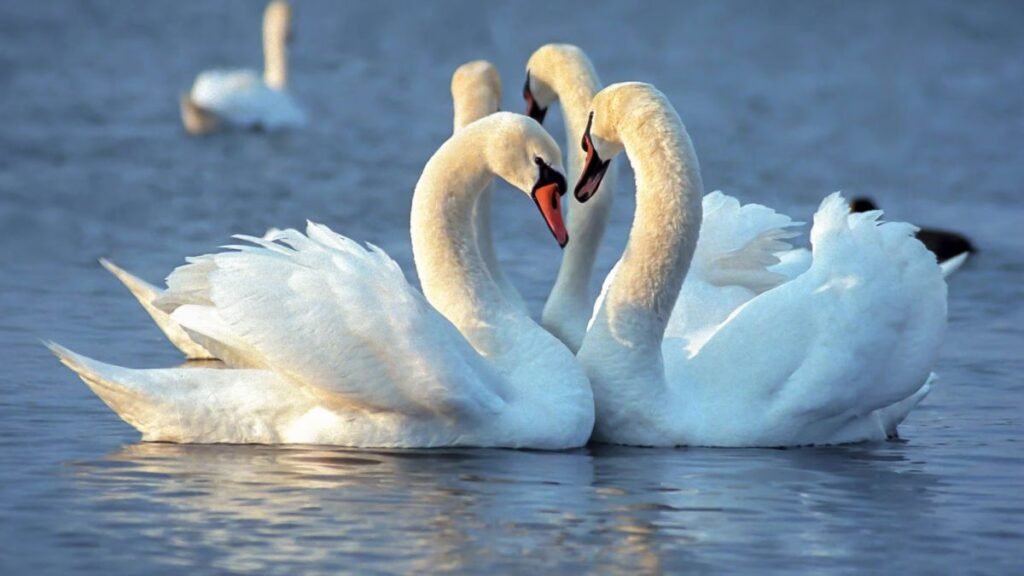
Swans glide across lakes with elegance and peace, often symbolizing love and purity. But their temper tells a different story. When a swan feels threatened—especially while protecting its nest—it can become extremely aggressive. With powerful wings and a strong beak, it can knock down or seriously injure an adult human. What makes swans even more unpredictable is the contrast between their serene appearance and their fierce territorial behavior.
Hippopotamus: The Gentle Giant That Isn’t So Gentle
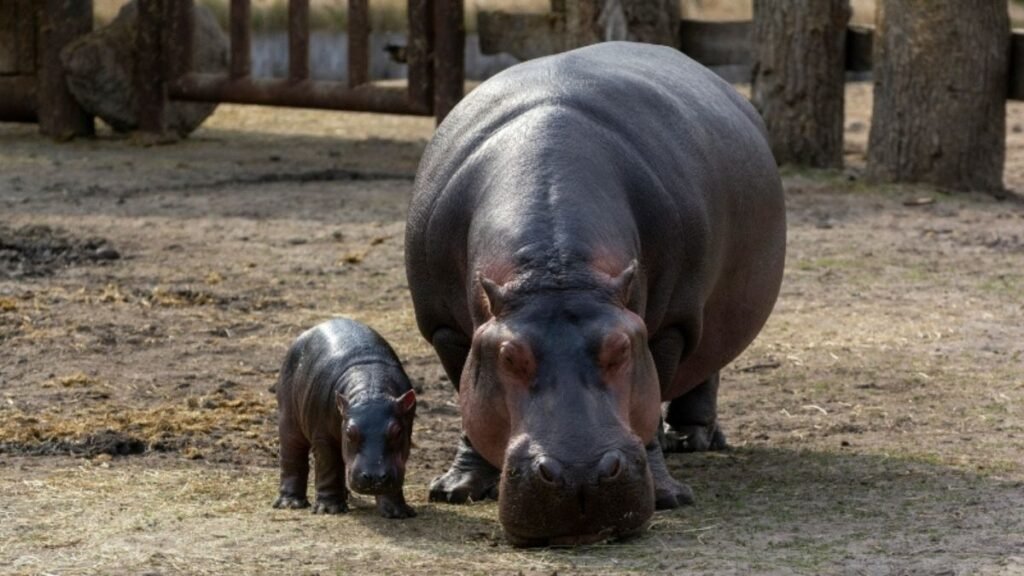
Hippos look like friendly, sleepy giants lounging in rivers, but beneath their calm exterior lies one of Africa’s most dangerous animals. Despite their bulky bodies, hippos can run astonishingly fast on land and move swiftly in water. They are known for their aggressive temper and powerful jaws capable of crushing almost anything. Many people underestimate them because of their round, harmless-looking shape, yet hippos are responsible for more human deaths in Africa than lions or crocodiles.
Conclusion
Innocence in nature is often an illusion. The animals mentioned above remind us that danger does not always appear with sharp teeth or intimidating size. Sometimes it hides behind a gentle gaze, a quiet presence, or a soft, harmless-looking exterior. Whether it’s the slow loris with its venomous bite, the hypnotic beauty of the blue-ringed octopus, the elegant but aggressive swan, or the massive yet misunderstood hippopotamus—each one teaches us to respect wildlife and the complexity of natural behavior.
Understanding that appearances can be deceiving not only keeps us safe but deepens our appreciation for the mysterious world of animals. Nature’s beauty is powerful, but it should always be approached with awareness, respect, and caution.