
How Christian School Communities Support Students: In today’s rapidly changing society, education is no longer limited to books and grades. Parents want their children to be not only academically strong but also morally, spiritually, and emotionally balanced. In such times, Christian school communities provide an environment where education is integrated with faith, character, and service. This model creates a strong, secure, and purposeful foundation for both students and parents, enabling children to face life’s challenges with confidence.
A Strong Foundation for Students’ Spiritual and Moral Development
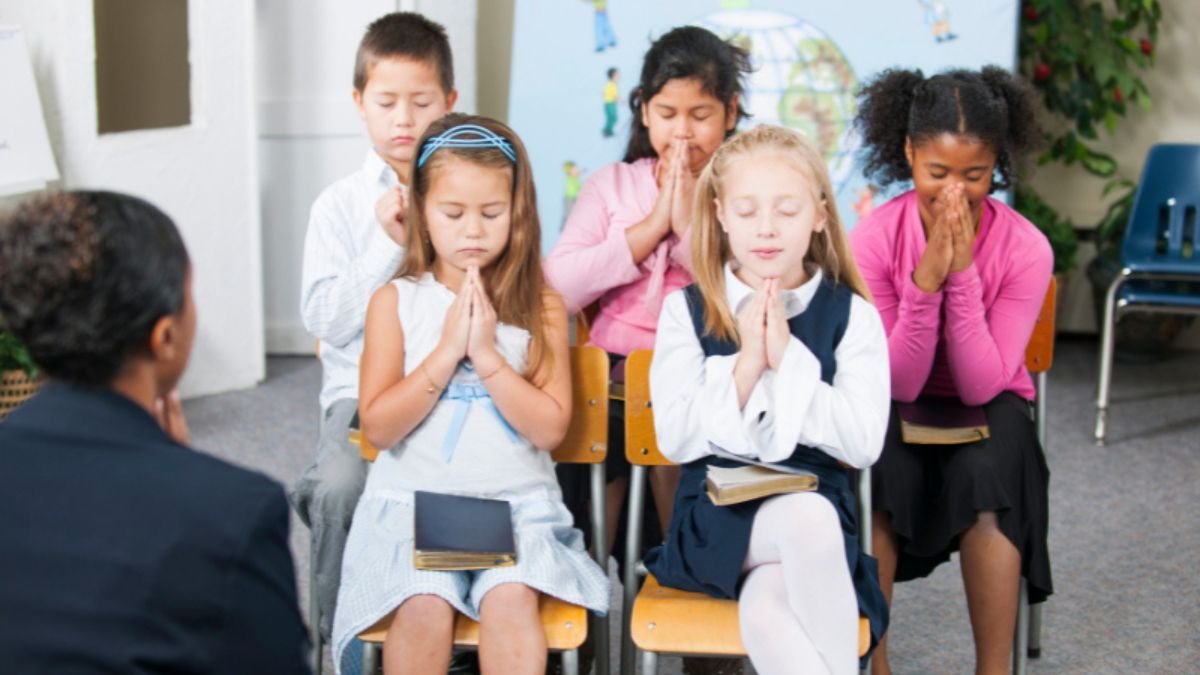
Education in Christian schools begins not just with the curriculum, but with daily prayer, Bible study, and communal worship. This practice cultivates a Christ-centered perspective in students, helping them view life through the lens of service and compassion rather than solely personal gain. Regular spiritual activities play a crucial role in shaping children’s character, making values like honesty, responsibility, discipline, and empathy a natural part of their lives. This moral education enables them to understand the difference between right and wrong, which strengthens their decision-making in the future.
Holistic Development: Balancing Mind, Body, and Soul
Christian schools aim not only for academic excellence but also for the holistic development of the child. Education here is designed to foster mental, physical, and emotional growth. Sports, arts, music, and other extracurricular activities develop confidence, teamwork, and leadership skills in students. These activities provide children with opportunities to identify and hone their talents, allowing them to develop into well-rounded individuals rather than limiting themselves solely to academics.
A Safe and Nurturing Environment
In today’s world, the school environment profoundly impacts children’s mental health. Christian schools provide a structured and disciplined environment where a clear code of conduct is followed. This discourages bullying, negative peer pressure, and inappropriate behavior. Instead, positive reinforcement, mutual respect, and cooperation are promoted. Strong relationships are forged between teachers and students, where teachers act not only as instructors but also as mentors and guides. This environment makes children feel emotionally secure, allowing them to learn freely.
Opportunities for Leadership and Service
Christian schools encourage students to lead and serve their communities. Children are given responsibilities through various service projects, community programs, and school activities. This develops their leadership skills, confidence, and empathy for others. When students learn to help others, they begin to see life not just for themselves, but for the greater good of society. This experience prepares them to become responsible citizens and effective leaders in the future.
A Strong System of Emotional and Social Support
Every child faces challenges in life, whether it’s academic pressure, friendship issues, or self-doubt. Christian schools have pastoral care and mentorship programs where students receive emotional and spiritual guidance. This support system helps children understand, express, and manage their emotions in a healthy way. When students know that someone is there to listen and guide them, their confidence and mental well-being are strengthened.
Shared Values and Strong Partnerships for Parents
Christian schools consider parents a vital part of the educational process. Partnership between the school and home is prioritized, ensuring that the child receives consistent messages and guidance. When the school and parents work together with shared values, it brings stability and clarity to the child’s life. This collaboration further strengthens the child’s academic and moral development, as they receive consistent guidance both at home and at school.
Community and Belonging: Support for Parents
The Christian school community provides strong support not only for students but also for parents. Here, parents find themselves among families and teachers who share similar beliefs and values. This feeling of not being alone, but being part of a larger community, is especially helpful during challenging times. These relationships often blossom into lifelong friendships and mutual support, strengthening families emotionally.
Peace of Mind and Trust
The greatest comfort for parents is knowing that their child is in a safe and positive environment. Christian schools, with their clear values, discipline, and positive influences, give parents the confidence that their child is receiving the right guidance. This peace of mind makes them more confident about their children’s future.
Reinforcing Family Values
The spiritual and moral education provided in Christian schools reinforces the values taught at home. This eliminates confusion for children and allows them to grow up with a consistent belief system. This process deepens trust, communication, and mutual understanding within the family, further strengthening family bonds.
A Unified Perspective The Integration of Education, Faith, and Service
The greatest strength of Christian schools lies in their integration of education, faith, character development, and service. This holistic approach provides children with a continuous and meaningful learning experience. Strong communication and active partnership between parents and teachers ensure that each child receives consistent and empowering support at every stage.
Conclusion: A Powerful Model for Life
Ultimately, Christian school communities are not merely places of learning, but centers that shape the lives of children and families. Here, students are taught knowledge alongside faith, confidence alongside humility, and success alongside a spirit of service. This comprehensive, faith-based model prepares children not only for today, but for life, enabling them to move forward with confidence, integrity, and purpose.
