
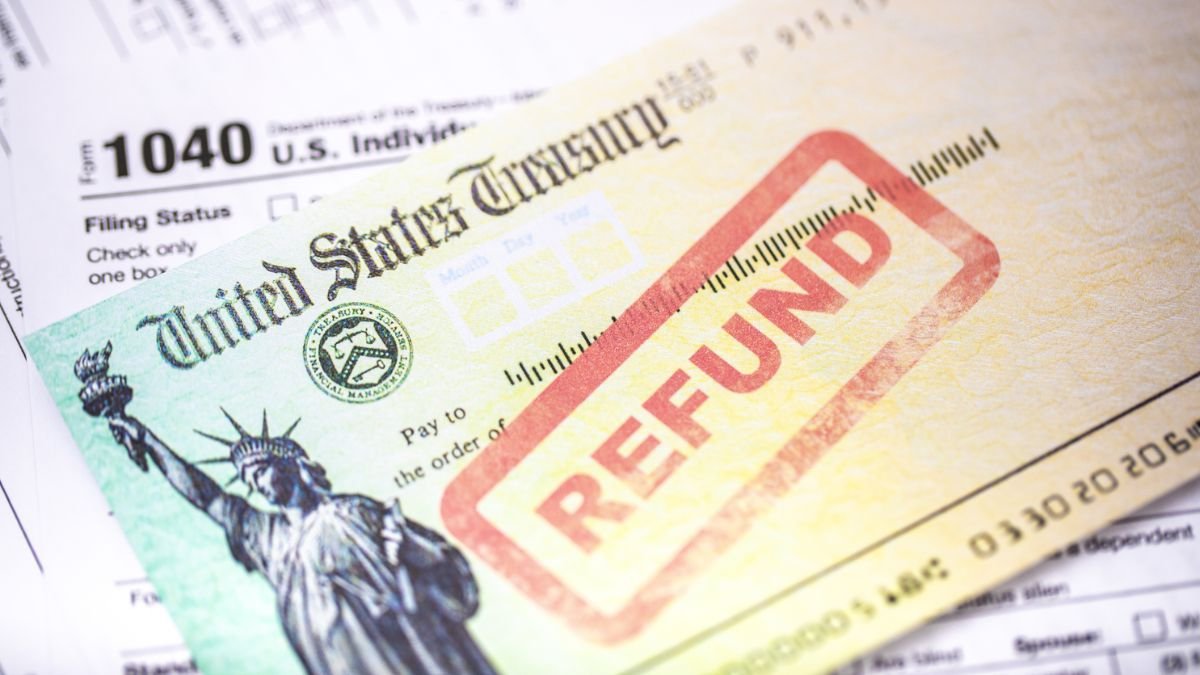
An important update has been released for millions of Americans filing taxes for 2026. The Internal Revenue Service (IRS) has clarified refund processing timelines under the “IRS Confirms 2026 Refund Processing Schedule: Important Taxpayer Update.” As with every year, taxpayers are eager to learn when their refunds will arrive, how long direct deposits will take, and under what circumstances delays may occur. This 2026 update aims to increase transparency and provide taxpayers with timely, accurate information so they can better plan their finances.
2026 Refund Processing Schedule: What’s New?
According to the IRS, the refund processing structure for 2026 will remain the same, but some technical improvements and digital system updates have been implemented. If a taxpayer files their return electronically (e-file) and chooses direct deposit, they can receive their refund within 21 days under normal circumstances.
However, this timeframe depends on several factors, such as the accuracy of the information provided in the return, any tax credits claimed, or the need for additional verification. Paper filers may typically experience longer processing times because manual processing involves additional scrutiny.
Direct Deposit vs. Paper Check
Even in 2026, the IRS advises taxpayers to opt for direct deposit. It is not only faster but also safer. Refunds are transferred directly to a bank account through direct deposit, reducing the risk of theft or loss.
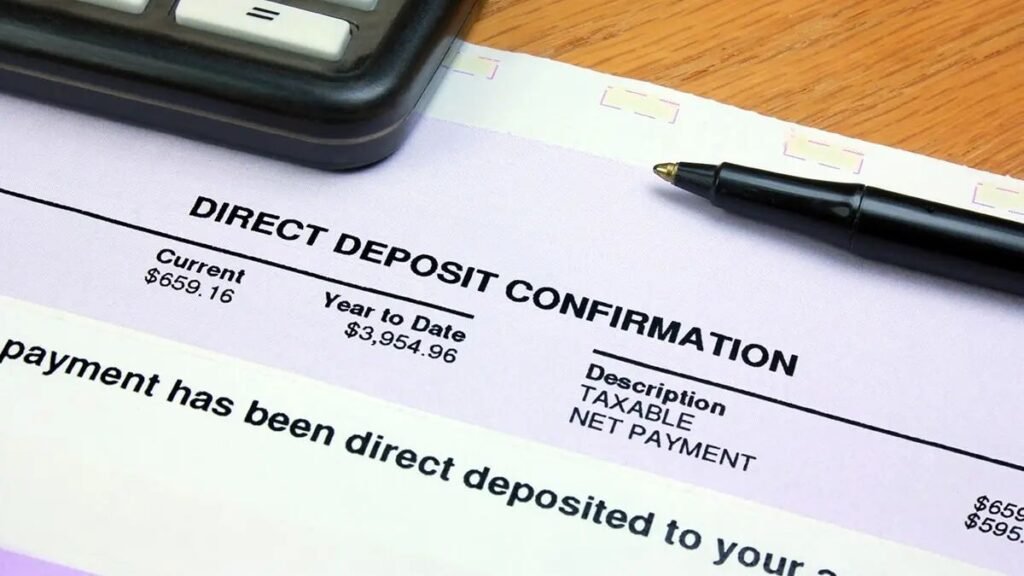
On the other hand, payments made via paper check may be delayed by the postal service. Check delivery sometimes takes a few extra days, which can make it difficult for taxpayers to plan their expenses. Therefore, the IRS strongly recommends using digital payment options.
Common Reasons for Refund Delays
Although the IRS aims to issue refunds within 21 days, delays may occur in certain situations. If there are errors on the tax return, incorrect bank account details, or identity verification is required, processing times may increase.
In addition, claims for certain tax credits—such as the Earned Income Tax Credit (EITC) or the Additional Child Tax Credit—are subject to additional scrutiny. Refund issuance in these cases may take additional time. Therefore, it is crucial to carefully check all details when filing your return.
The Importance of the “Where’s My Refund?” Tool
The IRS has made available an online tool called “Where’s My Refund?” for taxpayer convenience. This tool allows taxpayers to track the status of their refund. This feature will remain active in 2026 and provide real-time updates.
To check the status of a refund, taxpayers must enter their Social Security number, filing status, and estimated refund amount. This tool provides information on three main stages: processing, approved, and sent.
Important Tips for Taxpayers
Taxpayers should take some important precautions considering the 2026 refund schedule. First, file your tax return on time and opt for e-filing. Second, enter your bank account and routing number correctly. Third, be wary of any suspicious emails or calls, as fraudulent activity increases during tax season.

Also, if a refund is delayed longer than expected, check the online tool first and then contact the IRS if necessary. Avoid unnecessary calls, as information in the system is constantly updated during processing.
Digital Improvements and Transparency in 2026
The IRS has taken steps to further strengthen digital services in 2026. Online account management, document uploading, and the quick notification system have been improved. This aims to ensure taxpayers can easily understand the status of their refunds and resolve any issues quickly.
These improvements are expected to reduce processing times and increase transparency. Taxpayers are advised to create their online accounts on the IRS’s official portal to quickly view any future updates.
Conclusion
The IRS Confirms 2026 Refund Processing Schedule: Important Taxpayer Update makes it clear that the refund process will remain streamlined and digitally enabled in 2026. Taxpayers using e-filing and direct deposit are expected to receive their refunds relatively quickly.
However, providing accurate and error-free information is extremely important, as even minor errors can cause delays. With proper planning, timely filing, and the use of official tools, taxpayers can receive their 2026 refunds without any hassle.
FAQs
Q1. When will the IRS start processing 2026 tax refunds?
A. The IRS is expected to begin processing 2026 tax returns in late January 2026, with refunds issued within 21 days for most e-filed returns.
Q2. How long will it take to receive my 2026 tax refund?
A. Most taxpayers who file electronically and choose direct deposit can receive their refund within 2–3 weeks, while paper returns may take longer.
Q3. What could delay my 2026 tax refund?
A. Errors in the tax return, missing information, identity verification issues, or claiming certain tax credits may delay refund processing.
